If you’ve seen “WTW” in a text message, Snapchat, TikTok comment, Instagram DM, or gaming chat, you may wonder what it means.
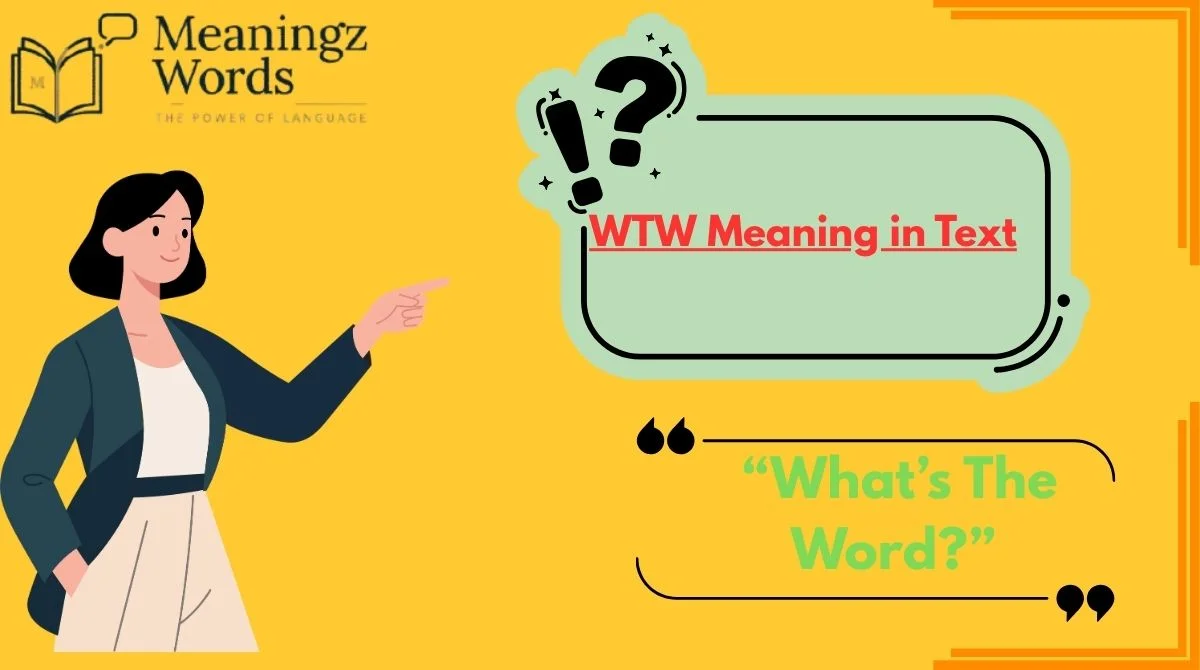
In most online conversations, WTW means “What’s The Word?” — a casual way of asking “What’s up?”, “What’s going on?”, or “What’s the plan?”.
People use it to start a conversation, check in, or ask about someone’s latest news.
Understanding slang like WTW matters because online language changes quickly.
Knowing these abbreviations helps you communicate better with friends, classmates, gaming groups, and social media communities.
Quick Answer Box
| Category | Answer |
|---|---|
| Meaning | What’s The Word? |
| Full Form | What’s The Word |
| Pronunciation | “Double-you tee double-you” or simply “WTW” |
| Category | Internet slang / Text abbreviation |
| Tone | Casual, friendly, informal |
| Used On | Text messages, Snapchat, TikTok, Instagram, WhatsApp, Discord, gaming chats |
| Difficulty Level | Beginner-friendly |
| One-line Definition | WTW is a slang abbreviation used to ask what’s happening, what’s new, or what someone is doing. |
What Does WTW Mean in Text?
The most common meaning of WTW in texting is “What’s The Word?”
It is a relaxed phrase people use when they want to know:
- What’s happening?
- What’s new?
- What’s going on?
- What are you up to?
- Do you have any plans?
It works similarly to phrases like:
- “What’s up?”
- “What’s good?”
- “How’s it going?”
- “Any news?”
Example:
Friend: “WTW?”
You: “Not much, just relaxing. You?”
Here, the person is simply starting a casual conversation.
Why Do People Use WTW?
People use WTW because typing full sentences takes more time. Internet slang makes conversations faster and more casual.
Common reasons people send WTW include:
1. Starting a Conversation
Instead of saying:
“Hey, how are you? What are you doing today?”
Someone might simply write:
“WTW?”
It feels shorter and more natural in online chats.
2. Checking Plans
WTW can also mean:
“What’s the plan?”
Example:
Friend: “WTW tonight?”
Reply: “Maybe we can grab food.”
In this situation, the person wants to know what everyone is doing.
3. Reconnecting With Someone
Someone you haven’t talked to for a while might send:
“WTW, been a minute!”
Meaning:
“What’s going on? We haven’t talked recently.”
WTW Meaning on Different Platforms
The meaning of WTW usually stays the same across platforms, but the situation can change.
WTW Meaning on Snapchat
On Snapchat, WTW usually means “What’s The Word?”
People often use it in:
- Snaps
- Chat messages
- Stories
- Group conversations
Example:
Snap message:
“WTW today?”
Meaning:
“What are you doing today?”
WTW Meaning on TikTok
On TikTok, WTW is often used in comments or direct messages.
Example:
“WTW with this trend?”
This may mean:
“What’s the deal with this trend?”
“What’s happening with this trend?”
TikTok users often use slang to react quickly to videos.
WTW Meaning on Instagram
On Instagram DMs, WTW is commonly a casual opener.
Example:
Person A: “WTW?”
Person B: “Just chilling, watching Netflix.”
It is usually friendly and not serious.
WTW Meaning on WhatsApp
On WhatsApp, WTW is used mostly between friends and family members.
Example:
“WTW this weekend?”
Meaning:
“What are the plans this weekend?”
WTW Meaning in Gaming
Gamers may use WTW to ask what is happening or what the team is doing.
Example:
Player 1: “WTW squad?”
Player 2: “Playing ranked.”
Meaning:
“What are we doing, team?”
Real-Life Text Examples Using WTW
Here are common conversations:
Example 1: Casual Check-In
Alex: WTW?
Sam: Nothing much, just relaxing.
Explanation:
Alex is asking what Sam is doing.
Example 2: Making Plans
Emma: WTW tomorrow?
Lily: Maybe shopping or a movie.
Explanation:
Emma wants to know the plan.
Example 3: Group Chat
Mike: WTW everyone?
Chris: We’re getting online soon.
Explanation:
Mike is checking what the group is doing.
Is WTW Rude?
No, WTW is usually not rude.
It is normally friendly and casual.
However, the tone depends on the relationship.
Friendly:
“WTW bro?”
Meaning:
“What’s up?”
Could feel too casual:
Sending only:
“WTW”
to someone you don’t know well may seem short or informal.
For professional conversations, it is better to use complete words.
Is WTW Flirty?
WTW itself is not a flirty abbreviation.
It is simply a conversation starter.
However, the conversation after WTW can become flirty depending on:
- Who sends it
- Your relationship
- The messages that follow
Example:
Person A: WTW?
Person B: Missing you 😏
The flirting comes from the reply, not the abbreviation.
Is WTW Offensive?
No. WTW is not offensive.
It is a harmless internet slang term commonly used by teenagers, young adults, and online communities.
The meaning is generally positive and conversational.
Common Mistakes With WTW
Mistake 1: Thinking WTW Always Means “What The What?”
Some people confuse WTW with other phrases.
The most common texting meaning is:
WTW = What’s The Word?
Mistake 2: Using It in Formal Messages
WTW is casual slang.
Avoid using it in:
- Job emails
- School assignments
- Business communication
- Formal requests
Instead write:
- “How are you?”
- “What are your plans?”
- “What’s happening?”
Mistake 3: Assuming It Has Only One Meaning
While “What’s The Word?” is the most common meaning in texting, abbreviations can change depending on context.
Always look at:
- The platform
- The conversation
- The person using it
Other Possible Meanings of WTW
Although uncommon in everyday texting, WTW can mean different things in other contexts.
Examples:
| Abbreviation | Possible Meaning | Context |
|---|---|---|
| WTW | What’s The Word? | Texting/social media |
| WTW | What The What? | Reaction or surprise (less common) |
| WTW | Various technical meanings | Industry-specific contexts |
For normal online conversations, “What’s The Word?” is the meaning you’ll most likely need.
WTW vs Similar Text Slang
| Slang | Meaning | How It’s Used |
|---|---|---|
| WTW | What’s The Word? | Asking what’s happening |
| WYD | What You Doing? | Asking someone’s activity |
| WBU | What About You? | Asking for someone’s response |
| SUP | What’s Up? | Casual greeting |
| HBU | How About You? | Returning a question |
WTW vs WYD
These two are often confused.
| WTW | WYD |
|---|---|
| What’s The Word? | What You Doing? |
| More general | Specifically asks about activity |
| “What’s going on?” | “What are you doing?” |
Example:
WTW?
= What’s happening?
WYD?
= What are you doing right now?
How to Reply to WTW
Your reply depends on the situation.
Casual Replies
- “Not much, you?”
- “Just chilling.”
- “Nothing crazy, what about you?”
- “All good here.”
If Someone Is Asking About Plans
- “Thinking about going out.”
- “Probably staying home.”
- “I’m free, what’s up?”
Friendly Replies
- “Hey! Not much. How have you been?”
- “Same old, what’s new with you?”
Frequently Asked Questions
What does WTW mean in texting?
WTW usually means “What’s The Word?” in texting. It is a casual way to ask what is happening or what someone is doing.
What does WTW mean on Snapchat?
On Snapchat, WTW usually means “What’s The Word?” and is used as a casual conversation starter.
What does WTW mean on TikTok?
On TikTok, WTW commonly means “What’s The Word?” and may be used in comments or messages to ask what is happening.
Is WTW the same as WYD?
No.
WTW means “What’s The Word?” while WYD means “What You Doing?”
WTW is broader, while WYD specifically asks about someone’s current activity.
Can WTW mean something else?
Yes, abbreviations can have multiple meanings, but in everyday texting and social media, “What’s The Word?” is the most common meaning.
Final Thoughts
WTW means “What’s The Word?” in most text conversations.
It is a simple, friendly slang abbreviation used to ask what’s happening, what’s new, or what someone is doing.
You’ll commonly see it on Snapchat, TikTok, Instagram, WhatsApp, Discord, and gaming chats.
It is informal, not rude, and mainly used between friends or people having casual conversations.
When you see WTW, the best interpretation is usually: “What’s up?”

Noah Collins is a language writer and vocabulary researcher with a passion for making English easy to understand. As a contributor to MeaningzWords, he creates clear, accurate, and engaging content that helps readers expand their vocabulary, understand word meanings, and improve their communication skills with confidence.