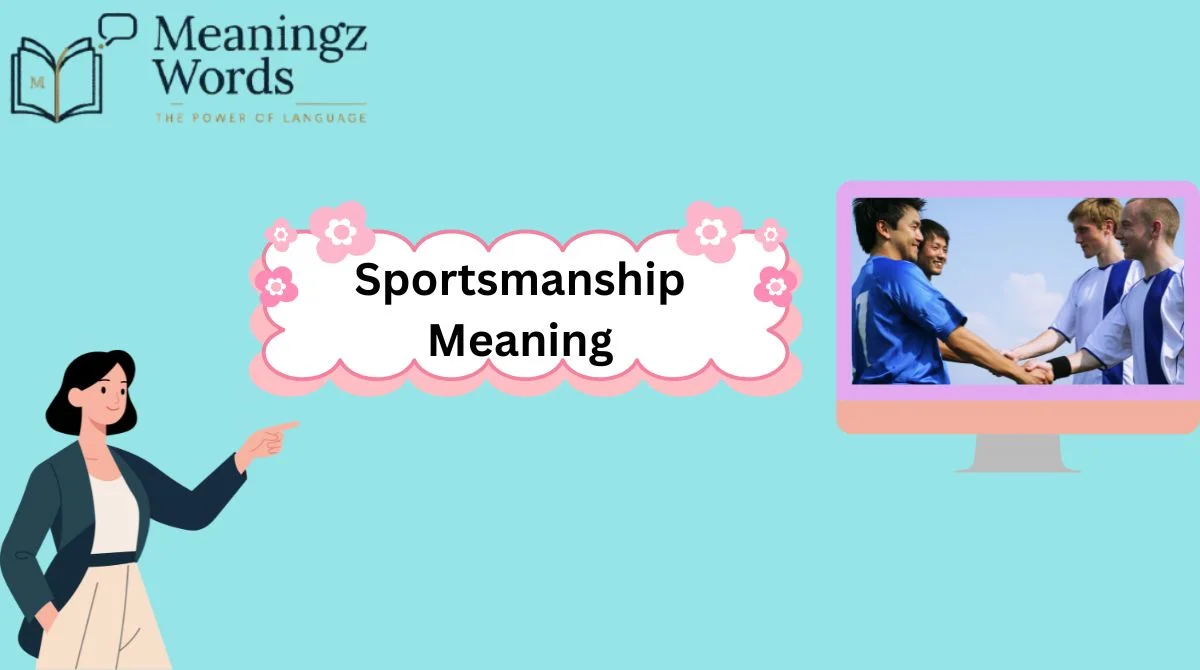
Sportsmanship means showing fairness, respect, honesty, and kindness while playing or competing, whether you win or lose.
People often search for this term because they hear it in school, sports events, competitions, or motivational discussions.
Understanding sportsmanship helps players, students, parents, coaches, and even gamers build stronger relationships and enjoy healthy competition.
Quick Answer Box
| Topic | Answer |
|---|---|
| Meaning | Fair and respectful behavior during competition or games |
| Full Form | Not an acronym (No full form) |
| Pronunciation | SPORTS-muhn-ship |
| Category | Sports, Education, Ethics, Personal Development |
| Tone | Positive and Respectful |
| Used On | Sports fields, schools, esports, workplaces, competitions, daily life |
| Difficulty Level | Beginner |
| One-Line Definition | Sportsmanship is treating others with fairness, respect, honesty, and grace, whether you win or lose. |
What Does Sportsmanship Mean?
Sportsmanship is the quality of behaving fairly and respectfully during a game, match, race, or competition. It goes beyond simply following the rules.
A person with good sportsmanship:
- Plays fairly
- Respects teammates and opponents
- Accepts victories without arrogance
- Accepts defeats without blaming others
- Follows the rules
- Encourages others
- Shows honesty even when no one is watching
In simple words, sportsmanship is about how you play, not just whether you win.
Definition of Sportsmanship
Sportsmanship is commonly defined as:
The ethical and respectful behavior shown by participants during competition, including fairness, honesty, respect, self-control, and graciousness in both winning and losing.
It reflects a person’s character more than their athletic ability.
Why Is Sportsmanship Important?
Sportsmanship creates a positive environment where everyone can compete fairly and enjoy the experience.
It helps people:
- Build trust
- Develop respect
- Improve teamwork
- Learn self-control
- Handle success and failure maturely
- Create lasting friendships
- Encourage fair competition
Without sportsmanship, competition can become unfair, disrespectful, or even dangerous.
The Core Values of Sportsmanship
Good sportsmanship is built on several important values.
Fairness
Play by the rules without cheating or taking unfair advantage.
Respect
Respect officials, coaches, teammates, opponents, and spectators.
Honesty
Admit mistakes and play truthfully.
Responsibility
Accept your actions and their consequences.
Self-Control
Manage emotions during stressful moments.
Humility
Celebrate victories without insulting others.
Compassion
Support others, especially after difficult losses.
Examples of Good Sportsmanship
Here are some everyday examples.
- Shaking hands after a match
- Helping an injured opponent
- Congratulating the winning team
- Accepting the referee’s decision respectfully
- Encouraging teammates after mistakes
- Playing honestly even if no one notices
- Apologizing after accidental fouls
- Following game rules without complaints
These actions show character more than talent.
Examples of Poor Sportsmanship
Poor sportsmanship includes behaviors that damage fair competition.
Examples include:
- Cheating
- Trash talking
- Insulting opponents
- Arguing constantly with referees
- Refusing to shake hands
- Blaming teammates
- Celebrating by humiliating others
- Purposely breaking rules
- Quitting because you’re losing
These actions often create conflict and reduce respect.
Good Sportsmanship vs Poor Sportsmanship
| Good Sportsmanship | Poor Sportsmanship |
|---|---|
| Plays fairly | Cheats |
| Respects opponents | Insults opponents |
| Accepts defeat gracefully | Blames others |
| Celebrates respectfully | Mocks losers |
| Follows rules | Breaks rules intentionally |
| Supports teammates | Criticizes teammates unfairly |
| Shows honesty | Lies or deceives |
| Controls emotions | Loses temper easily |
Sportsmanship in Different Settings
Sportsmanship isn’t limited to traditional sports.
School Sports
Students learn discipline, teamwork, and respect while participating in physical education and school competitions.
Professional Sports
Professional athletes are expected to represent their teams with integrity, even under pressure.
Esports and Online Gaming
Good sportsmanship includes:
- Saying “GG” (Good Game)
- Avoiding toxic chat
- Respecting teammates
- Not rage quitting
- Following tournament rules
Workplace Competitions
Healthy competition at work also requires sportsmanship by respecting coworkers and celebrating others’ success.
Sportsmanship in Everyday Life
Sportsmanship applies to many situations outside sports.
Examples include:
- Respecting different opinions
- Working well in group projects
- Losing gracefully in board games
- Accepting constructive criticism
- Supporting coworkers
- Being honest during competitions
- Treating everyone fairly
It is a life skill, not just a sports skill.
Winning vs Sportsmanship
Many people think winning is everything.
Actually, sportsmanship teaches that how you win matters just as much as winning itself.
Someone who cheats to win may receive a trophy but lose the respect of others.
Likewise, someone who loses fairly can still earn admiration through honesty and determination.
Can You Be Competitive and Still Show Sportsmanship?
Absolutely.
Being competitive means trying your best.
Being sportsmanlike means competing fairly.
You can play hard while still:
- Respecting rules
- Respecting opponents
- Staying honest
- Accepting outcomes gracefully
The best athletes often combine both qualities.
Common Misunderstandings About Sportsmanship
Many people misunderstand what sportsmanship means.
| Myth | Reality |
|---|---|
| Sportsmanship means letting others win. | It means competing fairly while trying your best. |
| Nice players aren’t competitive. | Competitive players can still be respectful. |
| Sportsmanship only matters in sports. | It applies in school, work, and daily life. |
| Only children need sportsmanship. | People of every age benefit from it. |
| Winning is all that matters. | Character matters just as much as results. |
Conversation Examples
Example 1
Alex: You lost the game but still congratulated the winners.
Ryan: That’s sportsmanship. They played better today.
Explanation: Ryan shows respect despite losing.
Example 2
Coach: Great job helping the injured player.
Emma: Winning isn’t more important than someone’s safety.
Explanation: Emma puts kindness before competition.
Example 3
Player 1: Nice shot!
Player 2: Thanks! Good luck in the next round.
Explanation: Both players show mutual respect.
Common Situations Where People Use the Word “Sportsmanship”
You may hear the word during:
- Football matches
- Cricket games
- Basketball tournaments
- School competitions
- Olympic events
- Esports tournaments
- Chess competitions
- Debate contests
- Community events
- Workplace team-building activities
Common Mistakes People Make About Sportsmanship
Some people accidentally confuse sportsmanship with being passive.
Common mistakes include:
- Thinking it means avoiding competition
- Believing winners don’t need humility
- Assuming losing politely means giving up
- Confusing confidence with arrogance
- Ignoring respect during online games
True sportsmanship balances determination with respect.
How Parents and Coaches Can Teach Sportsmanship
Adults play an important role in developing sportsmanship.
Helpful strategies include:
- Praise effort instead of only winning.
- Set a good example.
- Encourage respect for officials.
- Discuss mistakes calmly.
- Reward honesty.
- Teach teamwork.
- Focus on learning and improvement.
Children often copy the behavior they see.
Sportsmanship vs Gamesmanship
These terms sound similar but are different.
| Sportsmanship | Gamesmanship |
|---|---|
| Fair and ethical play | Using psychological tactics to gain an advantage |
| Respects opponents | May exploit loopholes |
| Focuses on integrity | Focuses on winning at almost any cost within the rules |
| Builds respect | Can damage relationships |
| Encourages fairness | Often pushes ethical boundaries |
Sportsmanship is generally viewed as the more honorable approach.
Frequently Asked Questions
What is the simple meaning of sportsmanship?
Sportsmanship means behaving fairly, honestly, and respectfully during competition, whether you win or lose.
Is sportsmanship only about sports?
No. It also applies to school, work, online gaming, debates, and everyday competition.
Is sportsmanship a skill or a value?
It is both. It reflects personal values while also being a skill that improves through practice.
Why do schools teach sportsmanship?
Because it helps students develop respect, teamwork, responsibility, honesty, and emotional control.
Can someone lose and still show sportsmanship?
Yes. Accepting defeat gracefully is one of the strongest examples of good sportsmanship.
What is the opposite of sportsmanship?
Poor sportsmanship, unfair play, cheating, disrespect, and unsportsmanlike conduct are common opposites.
Conclusion
Sportsmanship is much more than following the rules of a game.
It reflects fairness, honesty, respect, humility, and self-control in every kind of competition.
Whether you’re playing football, participating in a school event, competing in esports, or working on a team project, practicing good sportsmanship builds trust, strengthens relationships, and earns lasting respect.
Winning may be temporary, but good character leaves a lasting impression.

Noah Collins is a language writer and vocabulary researcher with a passion for making English easy to understand. As a contributor to MeaningzWords, he creates clear, accurate, and engaging content that helps readers expand their vocabulary, understand word meanings, and improve their communication skills with confidence.


